UNDSS Safe and Secure Approaches in Field Environments - Strengthening Safety and Security for Greater Impact
In an increasingly volatile global landscape, ensuring the safety and well-being of development and humanitarian workers has never been more urgent.
In today's challenging global environment and unstable security conditions, safeguarding the safety and well-being of development workers is more critical than ever. The UN Humanitarian Office reports that 2024 was the deadliest year ever for aid workers with 281 killed globally.
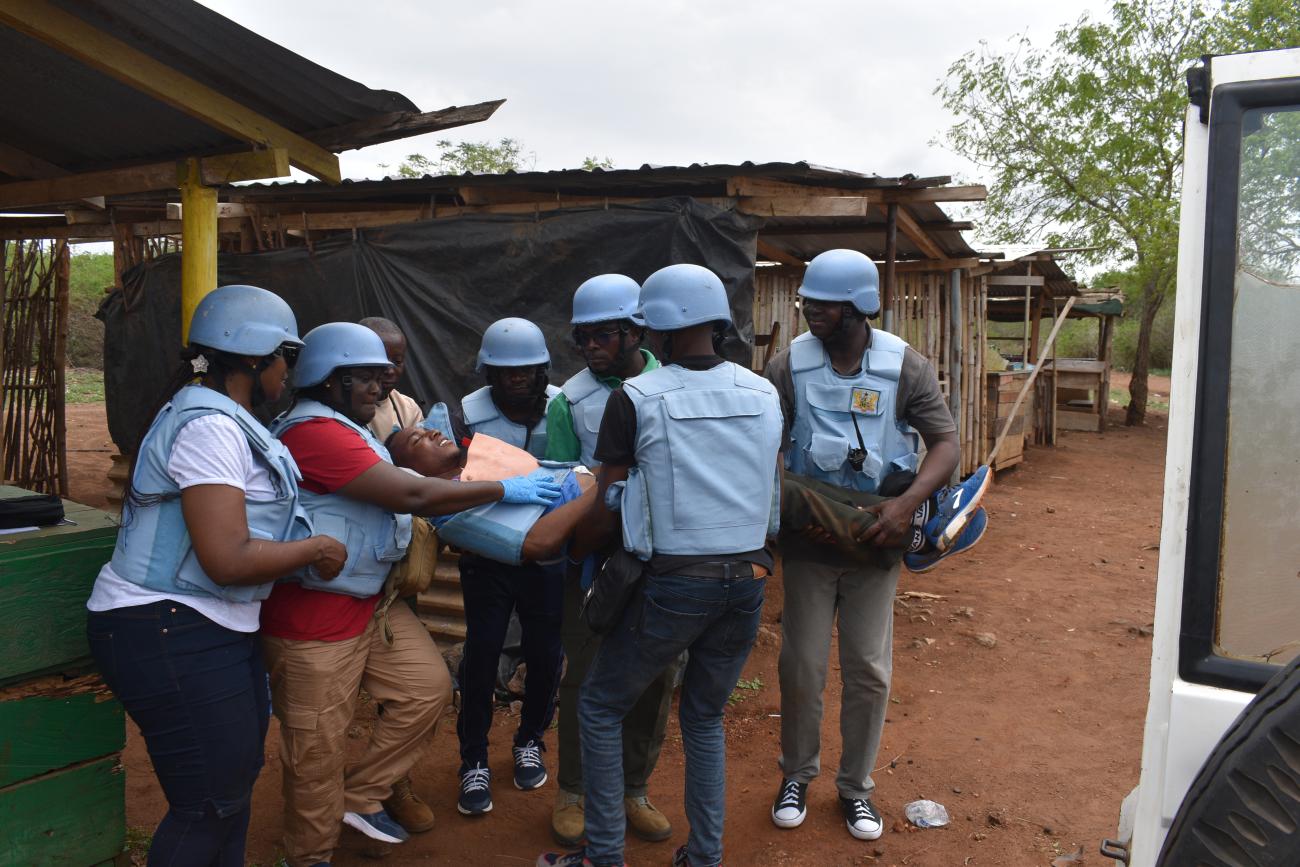
Safety and security awareness programs equip workers with essential skills, such as risk assessment, crisis response, personal security measures, and evacuation planning. These skills help mitigate threats and improve survival rates. For United Nations Personnel, knowledge of the UN Department of Safety and Security (UNDSS) Security Management and System policies and Security Risk Management processes and procedures is critical to successful delivery of programme interventions. Recognizing this need, The UNDSS has launched its first training on Safe and Secure Approaches in Field Environments (SSAFE) to strengthen operational security skills for UN personnel. The training equipped participants with the essential skills to navigate challenging environments while continuing their vital work in communities.
The 3-day training, held from the 24 - 26 March 2025 at the Army Peace Operations Training School in Bundase, in the outskirt of the Greater Accra region of Ghana, was attended by 24 UN personnel and representatives from the Ministry of Interior and the Ghana Armed Forces. It was facilitated by security experts and crisis management specialists led by Lucy Antonia Hodgson, a UNDSS Security Training Officer and Lihong Shen, UNDSS Security Advisor in Ghana. The programme covered key areas such as risk assessment, personal security awareness, crisis communication, and health emergency response protocols. Participants engaged in interactive simulations, real-life case studies, and hands-on exercises, designed to enhance participants’ ability to assess risks, respond to emergencies, and safeguard both themselves and the communities they serve.
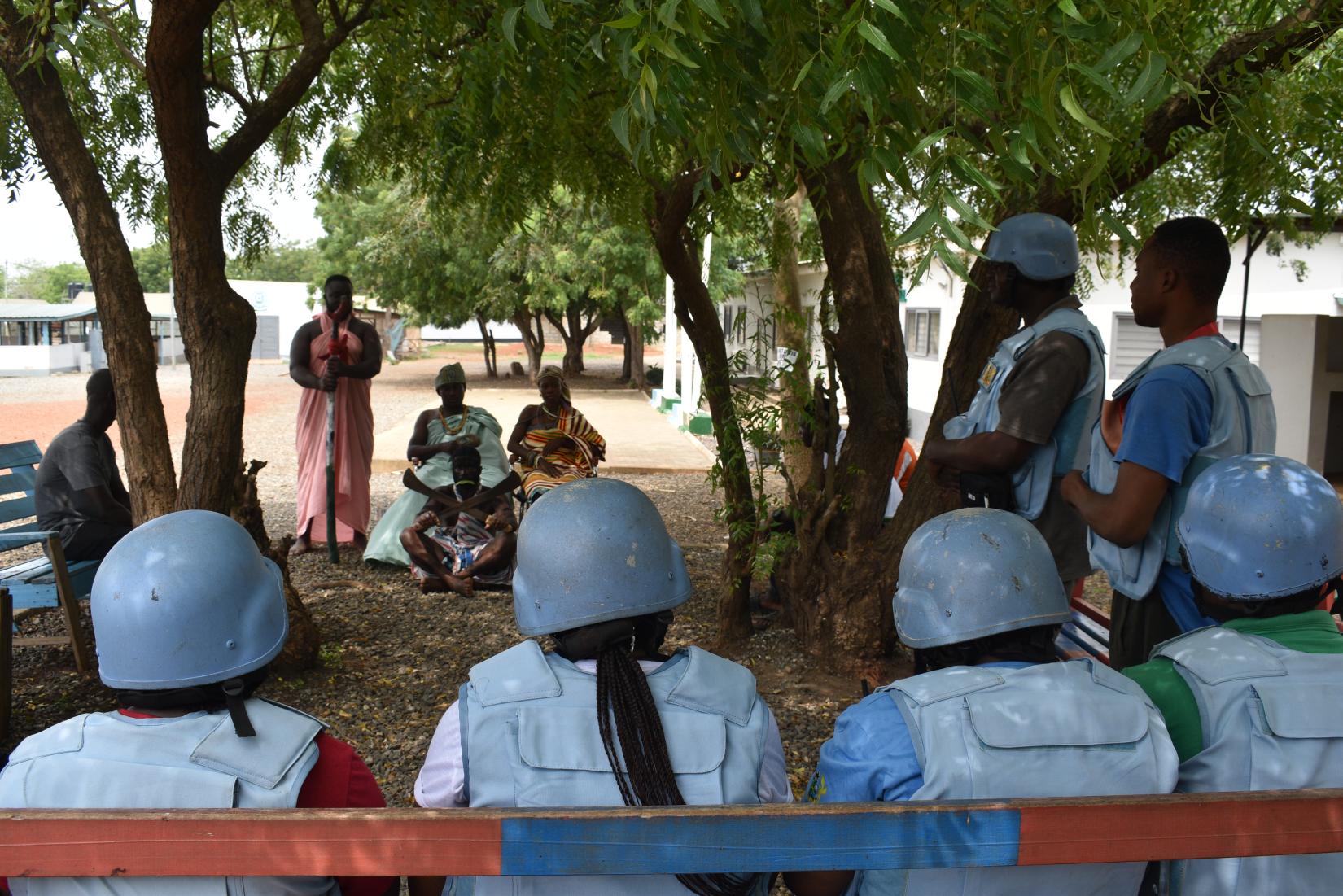
One of the highlights of the training was the field scenario simulation, where participants experienced real-time security threats and practiced response techniques and decision-making under pressure. From navigating conflict-prone areas to handling medical emergencies, the exercises provided invaluable insights into staying safe while continuing their humanitarian efforts.
Major Majeed Alhassan Adams of the Ghana Armed Forces, who participated in the training while also serving as an instructor, described the experience as a "game-changer." Despite his military background, he acknowledged that the medical emergency response training provided him with a deeper understanding of the medical needs of field workers. He expressed his satisfaction in gaining practical skills, noting that "Today, I can pack wounds and perform CPR to rescue victims in crisis situations on the field."
For the participants, many of whom have received online training on safety and security, the in-person training offered a different experience.
“I have gained a lot of useful life-saving skills to take back to my work and to my family as well. I will be an ambassador for safety and security awareness in my family” says Dina Kobe Appiah of UN-Habitat.
“I have come to appreciate the need for safety and security awareness in our work. The practical exercises demonstrated a clear understanding of the risks out there and why we need to mitigate or manage it” says Sumaila Dubie Alhassan of UNDP.
Each participant received a certificate of participation at the end of the course.
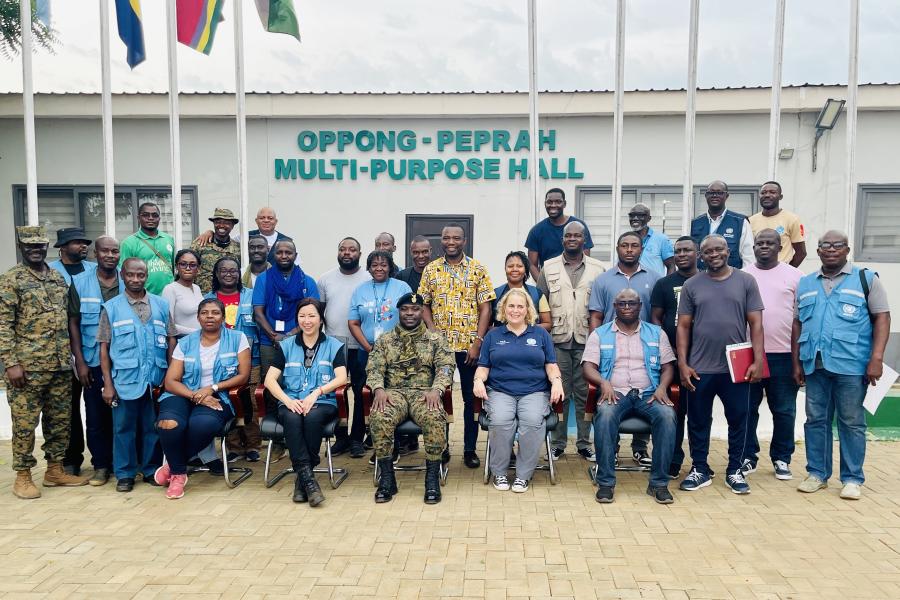
The Commander of APOTS, Col. Reuben Dela Klutse commended the UNDSS for the training highlighting it as a testament to the UN's commitment to upholding high safety and security standards. He also reaffirmed the Training School’s ongoing collaboration with the UN.
As development organizations continue their mission to drive positive change, ensuring the safety and well-being of their workforce remains a top priority. This training serves as a crucial step toward building resilience, enhancing security measures, and ultimately enabling UN staff and their partners to work confidently in any environment.
With the successful completion of this program, participants are now better equipped to navigate risks, protect themselves and others, and focus on what truly matters, which is creating sustainable change and improving lives.


Written by

UN entities involved in this initiative
Goals we are supporting through this initiative