Government and Development Partners align development priorities for Northern Ghana
Northern Ghana faces persistent developmental challenges.
These challenges are rooted in its reliance on subsistence agriculture, constrained by inadequate irrigation, unpredictable rainfall, and limited access to modern farming technology.This situation has historically contributed to higher poverty rates across the five regions in the area, namely Northern, Northeast, Savannah, Upper East, and Upper West regions, exacerbated by economic, environmental, and social vulnerabilities.
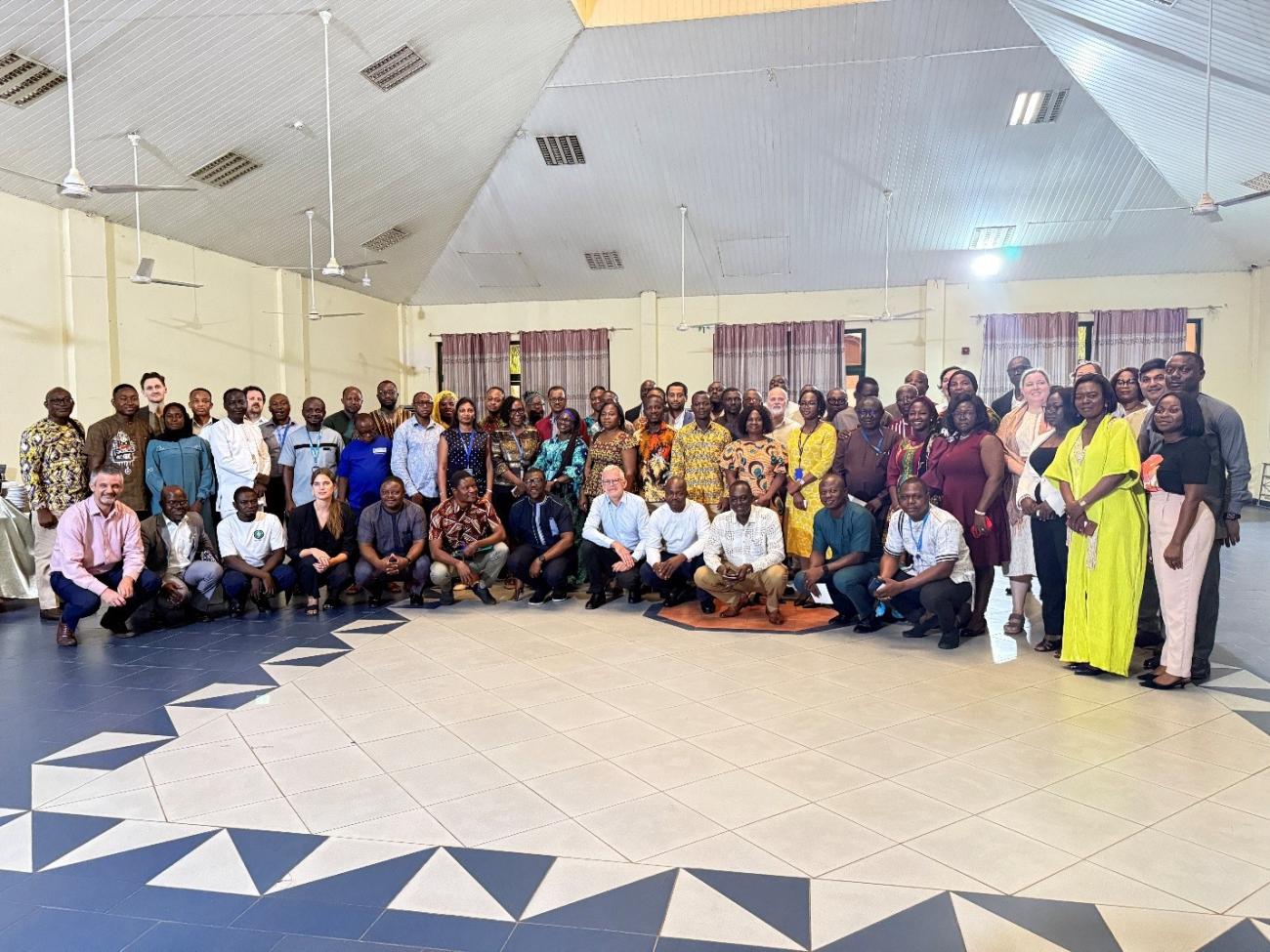
In an effort to address this entrenched lack of development, a high-level dialogue was convened in Tamale on March 26-27, 2025. Led by the British High Commission and encompassing a coalition of International Development Partners including France, Canada, Norway, the EU, Netherlands, Germany, Denmark, and the United Nations in Ghana, the two-day forum brought together the Government of Ghana, represented by key ministries and the Northern Development Authority, alongside civil society organizations, academia, the private sector, and traditional leaders.
The central focus of the dialogue was a critical examination of the developmental impediments specific to Northern Ghana and an effort to harmonize these challenges with the Government of Ghana's stated development priorities. Participants emphasized the urgent need for a more coordinated and locally driven development strategy, acknowledging that despite numerous past initiatives, significant disparities in infrastructure, education, and healthcare persist between the northern and southern parts of the country. The discussions aimed to forge a more effective path forward by pooling expertise, financial resources, and local understanding.

The Development Director at the British High Commission, Richard Sandall, emphasized the importance of direct engagement in the region which allows for stakeholders to collaborate better for progress. “Northern Ghana is such an important part of the development agenda for Ghana, that we needed to come to Tamale together and make a concerted effort to listen, understand the context, the challenges, and the opportunities for collaboration,” he said.
The Government of Ghana reaffirmed its commitment to devolution as a vital mechanism for regional advancement. Government representatives highlighted ongoing projects and underscored the essential roles of development partners and public-private collaborations in stimulating economic growth within the northern regions. International development agencies reiterated their dedication to supporting initiatives that align with Ghana’s long-term development objectives, including the Sustainable Development Goals.

Key thematic areas of discussion included the imperative for agricultural transformation to enhance productivity and resilience, strategic infrastructure development to improve connectivity and access, strengthening climate resilience in the face of environmental vulnerabilities, expanding youth employment opportunities through targeted skills training programs, and improvements in essential service delivery.
The Delivery Assurance Officer at World Food Programme, Ghana, Anitha Anahari, underscored the importance of the Northern Ghana Deep Dive to enhancing partnerships for the UN in Ghana to augment government’s efforts to deliver development in Northern Ghana. “World Food Programme working with other UN agencies is supporting the government to build resilience of communities for food and nutrition security and reduce hunger and poverty. This dialogue is a unique platform that will make incredible impact in enhancing meaningful partnerships between government, CSOs, the UN and local communities for development in Northern Ghana.”
Acknowledging existing obstacles such as insufficient funding, bureaucratic inefficiencies, and the potential for political influence to distort development priorities, stakeholders stressed the critical need for a transparent, accountable, and efficient resource allocation framework to underpin development partnerships. The government committed to streamlining policies to foster a more conducive investment climate in northern Ghana, while development partners pledged to align their interventions more closely with local and national priorities, promoting a more unified approach to development. The representative of the Ministry of Finance, Ebenezer Nortey reiterated the commitment of the government to raising the needed resources for development in Northern Ghana. “The government through the ministry of finance is committed to raising the needed funding through partnerships that will ensure the development needs of northern Ghana is addressed”

The active participation of traditional leaders, community-based organizations, and private sector representatives brought essential grassroots perspectives to the deliberations, emphasizing the importance of integrating indigenous knowledge into development planning to ensure projects are relevant and responsive to the genuine needs of local communities. A key consensus emerging from the dialogue was the necessity of enhancing local participation in decision-making processes, empowering local stakeholders to assume greater ownership of development initiatives and thereby fostering sustainability and long-term impact.
Representative of the Chief of Sagnarigu, Naa Olivier underscored the need for government to strengthen the local decision-making processes that directly affects the development of local communities: “Government and development partners should ensure our local communities are empowered in making decisions at the local levels that impact the lives of the people in the communities. This will help to ensure development that transforms lives and communities.”

The Deputy Representative of UNFPA Ghana, Emily Kamwendo-Naphambo, emphasized the significance of the dialogue in fostering collaboration that ensures the needs of women, girls and the youth to be at the core of development initiatives and the UN in Ghana is working with the government and the other stakeholders to ensure development in underserved areas.

This high-level dialogue on the development of northern Ghana represented a significant step beyond mere discussion, embodying a collective commitment to tangible action. By fostering collaboration between government entities, international development partners, and local actors, the forum laid the groundwork for a more integrated and impactful approach to development. The anticipated outcomes include improved livelihoods through enhanced food security and nutrition, advancements in education and healthcare, the development of critical skills, strengthened resilience to climate change, and vital infrastructure improvements across the northern regions.


Written by
UN entities involved in this initiative
Goals we are supporting through this initiative