Stakeholders in the private sector engaged in assessing Ghana’s progress toward the SDGs
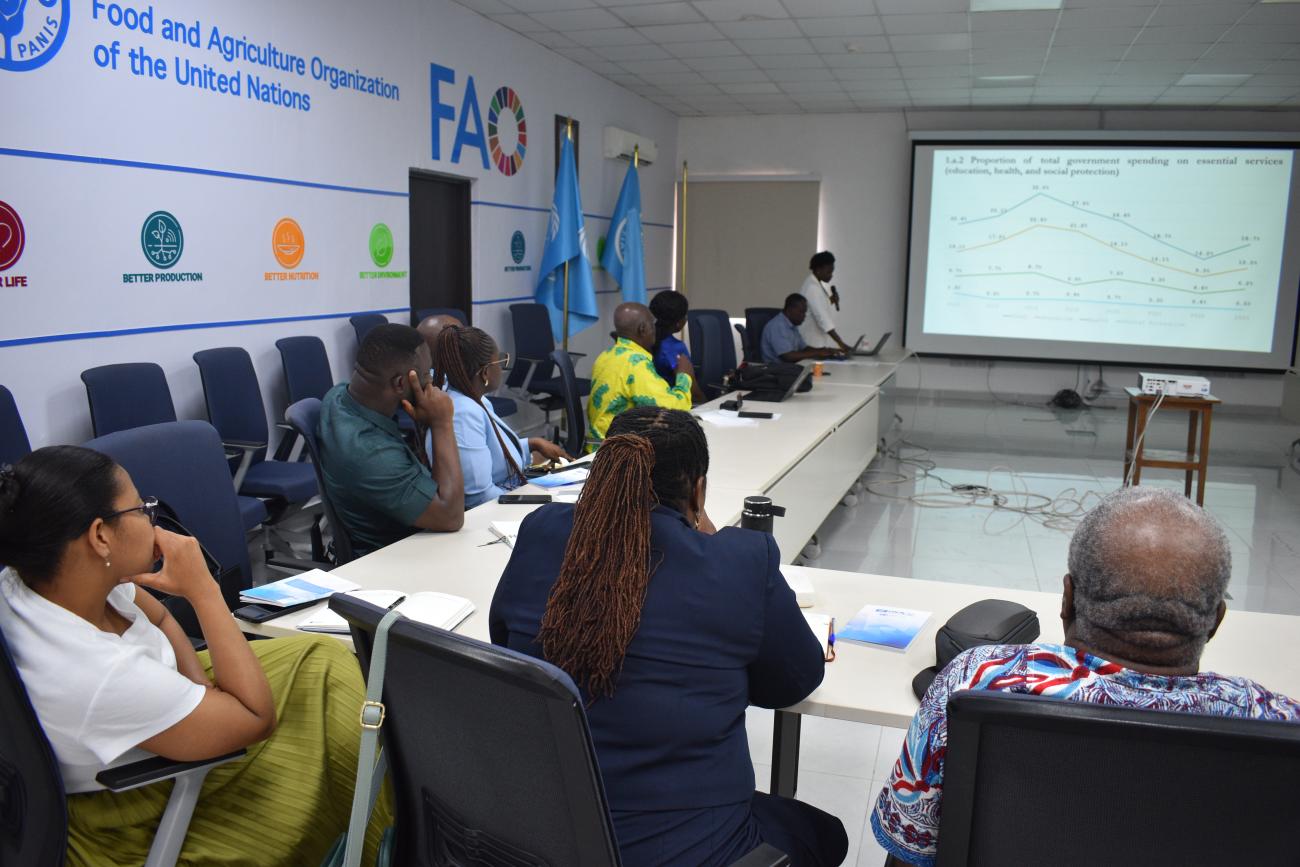
The consultation is to validate the data, ensure accuracy, and promote national ownership and inclusivity in the VNR process.
As part of Ghana’s commitment to the 2030 Agenda for Sustainable Development, the National Development Planning Commission (NDPC), in partnership with the Implementation Coordinating Committee (ICC) for the Sustainable Development Goals (SDGs) and Agenda 2063, held a consultation with stakeholders from the private sector to assess Ghana’s progress in achieving the SDGs
In her opening remarks, the Principal Officer at the NDPC, Mrs. Alice Amekudzi, emphasized the importance of private sector collaboration in driving progress toward the SDGs. According to her “collaboration is essential if we are to accelerate progress.” She also explained the purpose of gathering the consultation which is to present initial findings of selected indicators, gather feedback and insights on important policy priorities, innovations, and challenges in SDG implementation. The Senior Planning Analyst at the NDPC, Ms. Patience Ampomah, outlined the roadmap and methodology for Ghana’s 2025 VNR process. She highlighted key data findings, emerging trends, and gaps in evidence across all 17 SDGs.
The consultation was to validate the data, ensure accuracy, and promote national ownership and inclusivity in the VNR process. It also served as a platform to strengthen coordination among stakeholders and build synergies for effective multi-stakeholder implementation and monitoring.

Ghana’s 2025 VNR process is guided by the principles of inclusive and participatory development and is expected to incorporate insights from Voluntary Local Reviews (VLRs) being conducted across selected Metropolitan, Municipal and District Assemblies (MMDAs).
The outcomes of the engagement will feed into the final VNR report, identifying policy recommendations, improving data accuracy, and reinforcing national commitment to achieving the SDGs.


Written by

UN entities involved in this initiative
Other entities involved in this initiative
Goals we are supporting through this initiative